10 Essential Gardening Tips for Beginners
Starting a garden can be an exciting and rewarding endeavor, but for beginners, it can also feel overwhelming. From choosing the right tools to understanding plant care, there’s a lot to learn. Whether you’re planting a few flowers, growing your own vegetables, or shaping your garden with hedges, these 10 essential gardening tips will help you get started on the right foot.
1. Start Small
One of the biggest mistakes beginners make is trying to tackle a garden that’s too large right away. While it’s tempting to dream of a lush, sprawling garden, starting small will give you the chance to learn the basics and build confidence.
Tip: Start with a small plot or a few pots. Focus on a few easy-to-care-for plants, such as herbs, succulents, or low-maintenance flowers, before expanding.
2. Choose the Right Location
Location is crucial for the health of your plants. Different plants have different sunlight needs, and placing them in the right spot will ensure they thrive.
Tip: Observe how much sunlight your garden area gets throughout the day. Full sun plants need 6-8 hours of direct sunlight, while partial shade plants thrive with less light. Make sure the location has good drainage to prevent waterlogging.
3. Understand Your Soil
Soil quality plays a major role in the health and growth of your plants. Understanding the type of soil in your garden can help you select the right plants and fertilizers.
Tip: Test your soil’s pH and nutrient levels. You can buy a soil test kit or take a sample to a local garden center for analysis. Add compost or organic matter to improve soil texture and fertility.
4. Water Properly
Watering is an art—too much or too little can harm your plants. Plants need consistent moisture, but how much water they require depends on the type of plant, the season, and the weather.
Tip: Water your plants deeply to encourage root growth, but avoid overwatering. It’s better to water less frequently but more deeply than to water shallowly every day. Early morning or late afternoon is the best time to water to minimize evaporation.
5. Use the Right Tools
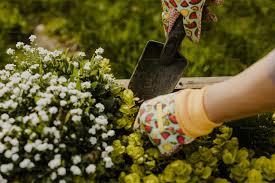
Having the right gardening tools can make all the difference in your gardening experience. Good tools make gardening easier, safer, and more enjoyable.
Tip: Invest in a few basic tools, such as a hand trowel, garden gloves, pruners, and a watering can. For larger gardens, consider adding a rake, hoe, and shears. Make sure your tools are clean, sharp, and well-maintained.
6. Feed Your Plants
Fertilizing your plants is essential to ensure they get the nutrients they need to grow strong and healthy. Fertilizer provides essential minerals like nitrogen, phosphorus, and potassium.
Tip: Use a balanced, slow-release fertilizer that suits your plants’ needs. Organic options like compost or manure can also improve soil health and plant growth. Be mindful of over-fertilizing, as it can damage plants and leach into water supplies.
7. Prune Regularly
Pruning is key to maintaining healthy, thriving plants. Regular pruning helps remove dead or diseased wood, encourages new growth, and improves the shape and structure of your plants.
Tip: Prune back spent flowers and dead leaves to encourage new blooms. For shrubs and hedges, make sure to trim regularly to prevent overgrowth and maintain shape. Always use sharp, clean tools to avoid damaging the plants.
8. Watch for Pests and Diseases
Garden pests and diseases can quickly destroy your plants if left unchecked. Being vigilant and acting early can save you a lot of trouble down the road.
Tip: Regularly inspect your plants for signs of pests or disease, such as yellowing leaves, holes, or wilting. Use natural pest control methods, such as neem oil or insecticidal soap, to minimize harm to beneficial insects.
9. Mulch Your Garden Beds
Mulching is one of the easiest and most effective ways to protect your plants. It helps retain moisture, suppresses weeds, and improves the soil as it decomposes.
Tip: Apply a 2-3 inch layer of organic mulch around your plants to keep the soil cool, retain moisture, and prevent weeds. Wood chips, straw, or leaves work well for mulch, but make sure not to pile it up against plant stems.
10. Be Patient and Stay Consistent
Gardening is a long-term commitment. Plants take time to grow, and you’ll need patience to see the fruits of your labor. Don’t be discouraged if things don’t look perfect right away.
Tip: Enjoy the process and keep learning. Gardening can be a trial-and-error experience, but with each season, you’ll improve your skills. Stay consistent with your care routine and don’t forget to enjoy the beauty of your garden as it grows.
Conclusion
Gardening doesn’t have to be intimidating for beginners. By following these simple tips and staying committed, you can create a thriving garden that brings you joy for years to come. Start small, choose the right plants, and be patient with the process. With time, you’ll learn how to nurture your garden, and it will reward you with beauty and bountiful harvests.
Pro Tip: Keep a gardening journal to track the progress of your plants. Note what works and what doesn’t, and use it to plan improvements for the next season. Happy gardening!